| Reż. Yasujirô Ozu |
| Japan 1953 |
| drama |
| 2 godz. 16 min. |
| Chishū Ryū (Shūkichi Hirayama), Chieko Higashiyama (Tomi Hirayama), Setsuko Hara (Noriko), Haruko Sugimura (Shige Kaneko), Sō Yamamura (Kōichi Hirayama), Kuniko Miyake (Fumiko Hirayama), Kyōko Kagawa (Kyōko Hirayama), Eijirō Tōno (Sanpei Numata), Nobuo Nakamura (Kurazō Kaneko), Shirō Ōsaka (Keizō Hirayama) |
RECOMMENDATION:





DESCRIPTION:
A classic Japanese film from 1953, directed by Yasujirō Ozu, which explores the theme of intergenerational relationships and the inevitable changes in family life.
An elderly couple, Shūkichi and Tomi Hirayama, live in the small town of Onomichi in western Japan together with their youngest daughter Kyōko, an elementary school teacher. They have five adult children, four of whom are still alive, and two – Kōichi and Shige – live in Tokyo. The couple decides to visit their children in the capital. Their eldest son, Kōichi, is a doctor running a small clinic in the suburbs of Tokyo, and their eldest daughter, Shige, runs a hair salon. However, both are very busy with their responsibilities and don’t have much time for their parents. Instead of spending time with them, they decide to send them on a holiday to a resort in Atami, which turns out to be a rather unsuccessful idea. Noriko, the widow of their son Shōji who was killed in the war, despite not being a biological daughter of the Hirayamas, proves to be the most caring. She takes Shūkichi and Tomi on a tour of Tokyo and spends more time with them than their own children.
GALLERY:
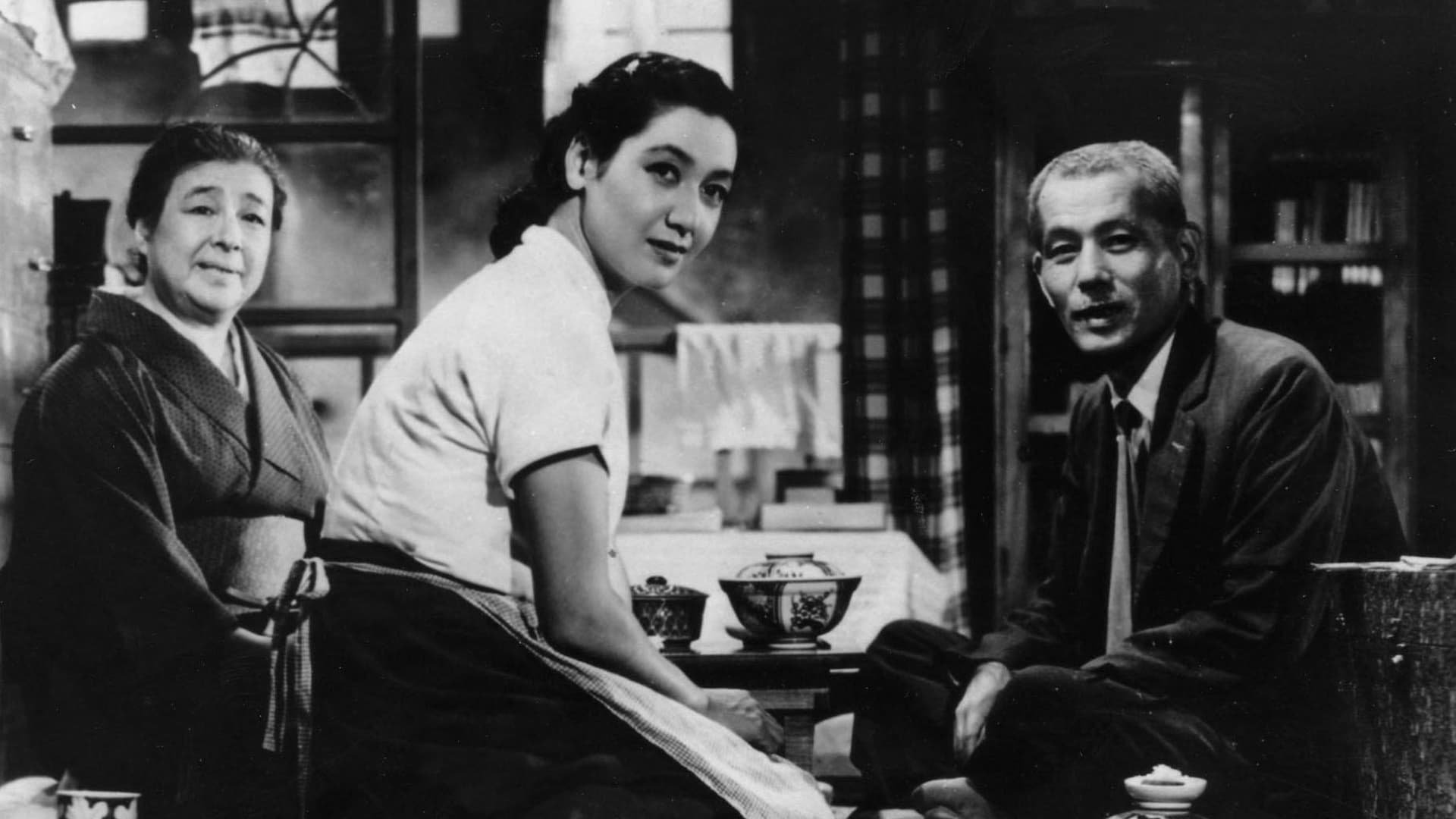
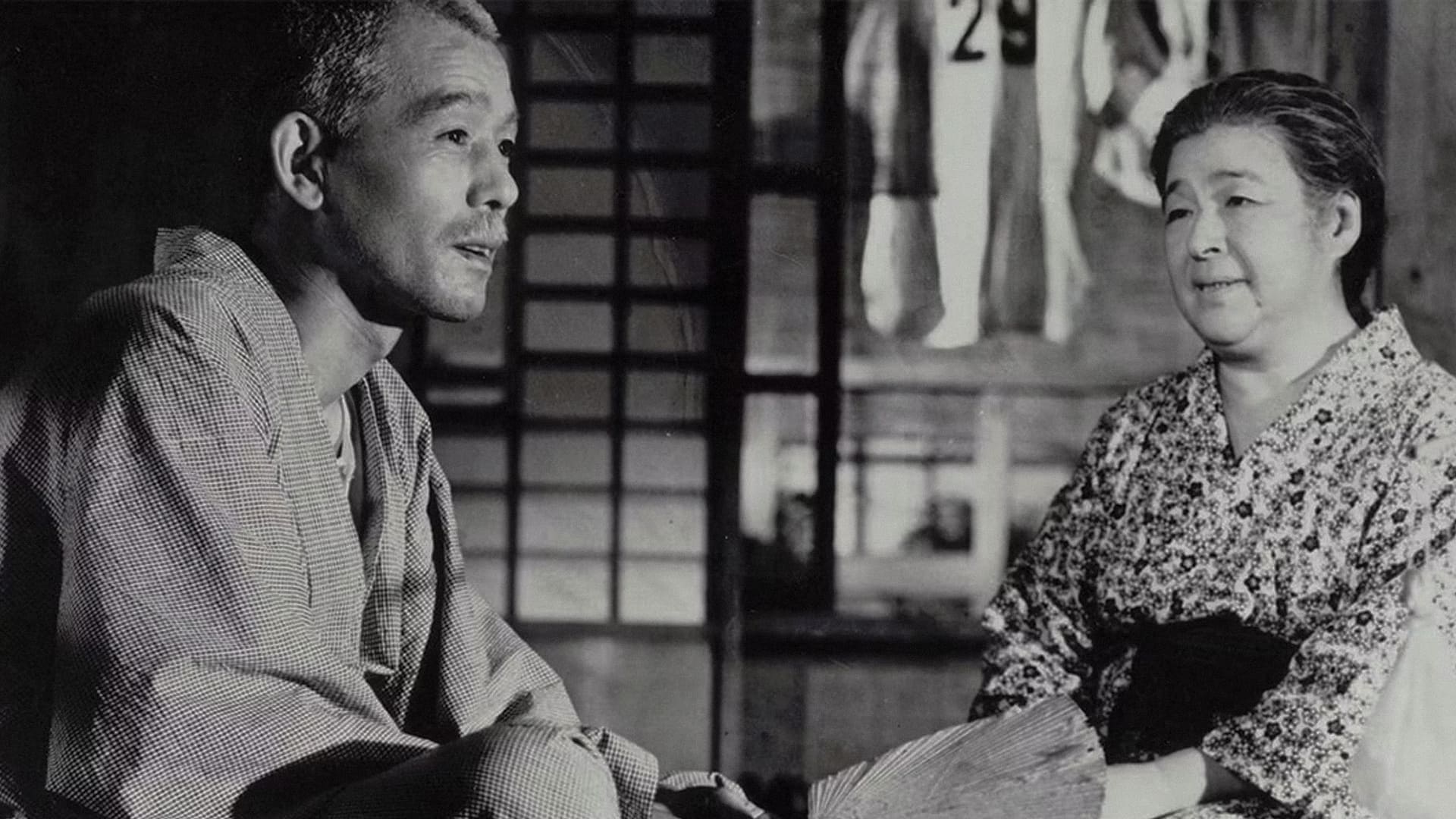
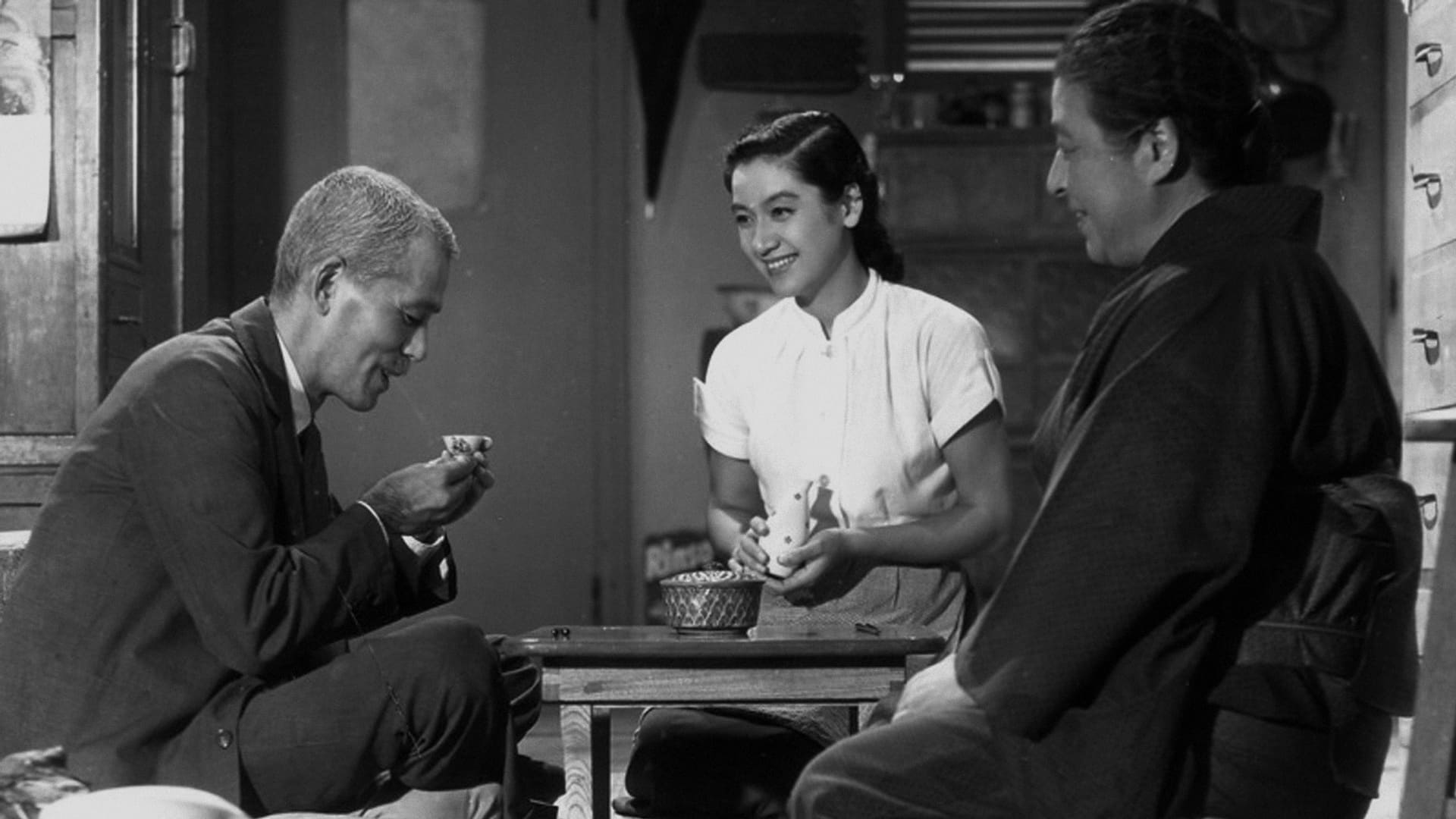
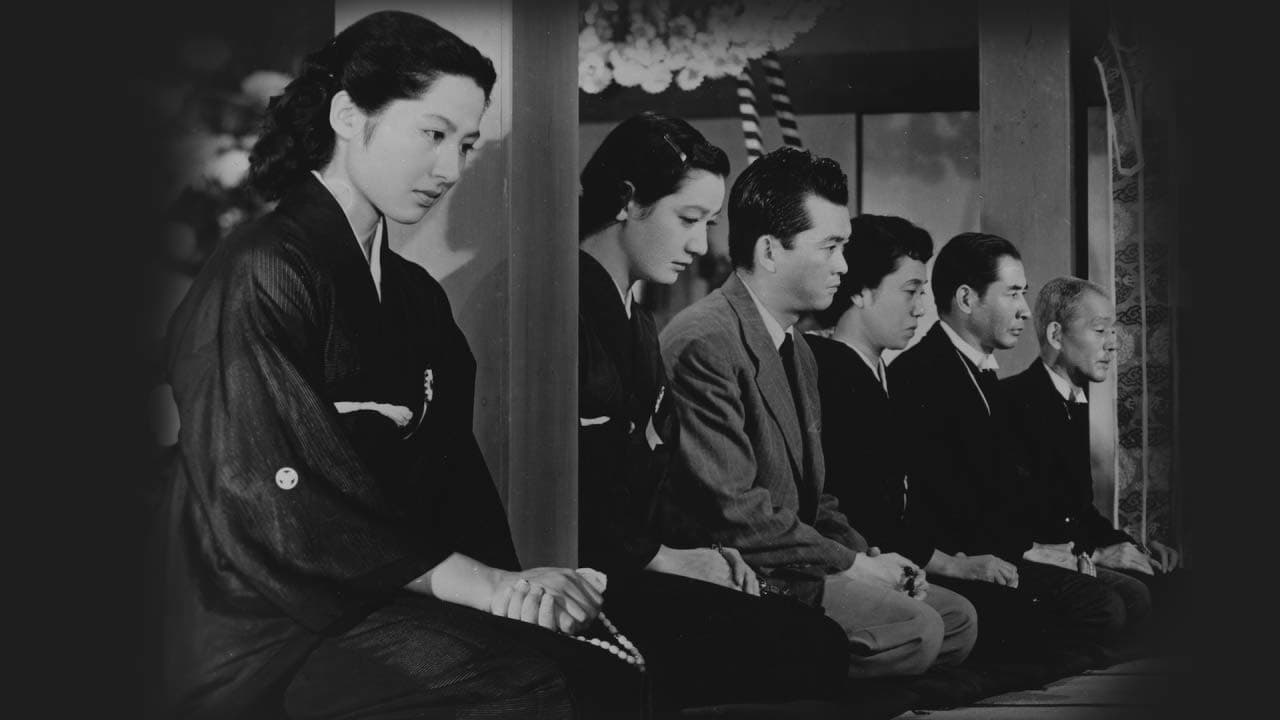
LET’S TALK ABOUT:
What particularly moved you in Tokyo Story?
Shūkichi and Tomi Hirayama travel to Tokyo to visit their son, daughter, and widowed daughter-in-law – do you often visit or did you used to visit your grandparents?
What are your fondest memories associated with them?
What would you say to each of your grandmothers and grandfathers if you could?
What do you particularly value in your grandparents?
The eldest son Kōichi and the eldest daughter Shige are absorbed in their work and have no time for their parents – what would you say to them if you could?
What is your attitude toward work and other responsibilities?
How do you like to spend your free time?
Noriko, the wife of their son Shōji who went missing during the war, despite her demanding office job, finds time to take Shūkichi and Tomi on a tour of Tokyo.
Do you enjoy hosting guests?
Where would you most like to take your parents on a trip or a journey?
Kōichi and Shige pay for their parents’ stay at a tourist resort – however, it doesn’t suit them, so they return early, which in turn complicates their children’s plans.
How do you react to unexpected events that change your plans?
For what reasons would you be willing to give up your important plans?
Tomi stays with her daughter-in-law Noriko – the bond between them deepens. What makes it easier for you to form deep relationships?
Tell us about one person with whom you managed to build such a relationship. How did it happen?
What makes it harder for you and others to build lasting and deep relationships?
Shūkichi spends an evening with his old friends from Onomichi, getting drunk and talking about life and their children – what do you think about this scene and his daughter’s reaction?
Tomi dies. After the funeral, Kōichi, Shige, and Keizō leave immediately – only Noriko stays – what do you think about this? How would you have acted in their place?
Kyōko criticizes her siblings. Noriko responds that she understands her disappointment, but everyone has their own life, and the growing distance between parents and children is inevitable – do you agree with her?
What have you inherited – in a non-material sense – from your parents? What behaviors, habits, passions did you receive from them as a “legacy”?
Tell us about a particularly pleasant event connected with your parents.
Noriko convinces Kyōko not to be too harsh on her siblings, because one day she herself will understand how hard it is to step away from one’s own responsibilities.
How do you cope with stress when tasks and responsibilities pile up?
As he says goodbye to Noriko, Shūkichi encourages her to remarry as soon as possible, because he wants her to be happy.
What makes you happy?
Tell us about one of the happiest days of your life.
Noriko returns to Tokyo, reflecting on the watch, while Shūkichi remains alone, resigned to the loneliness he will have to endure.
Do you ever unexpectedly reach out to someone you haven’t been in touch with for a long time?
Who would you like to reach out to today?
Which values from the list below does Tokyo Story address?
Which of them are particularly important to you?
List of values:
Altruism, Assertiveness, Selflessness, Safety, Closeness, Heroism, Patience, Goodness, Spirit, Empathy, Hospitality, Politeness, Generosity, Honor, Humor, Creativity, Loyalty, Wisdom, Bravery, Love, Motivation, Hope, Reliability, Nonconformism, Responsibility, Courage, Composure, Optimism, Openness, Passion, Beauty, Humility, Peace, Ingenuity, Sacrifice, Beauty, Truth, Friendship, Punctuality, Joy, Reason, Integrity, Heart, Strength, Coherence, Respect, Sincerity, Happiness, Transcendence, Care, Honesty, Moderation, Order, Mindfulness, Gratitude, Faith, Credibility, Knowledge, Fidelity, Freedom, Sensitivity, Support, Compassion, Imagination, Perseverance, Commitment, Life