| Reż. Krzysztof Kieślowski |
| Poland 1979 |
| Drama |
| 1 godz. 52 min. |
| Jerzy Stuhr (Filip Mosz), Małgorzata Ząbkowska (Irka Mosz), Ewa Pokas (Anna Włodarczyk), Stefan Czyżewski (Dyrektor fabryki), Jerzy Nowak (Kowalski), Tadeusz Bradecki (Witek), Marek Litewka (Kolega Filipa), Bogusław Sobczuk (Przewodniczący festiwalu), Krzysztof Zanussi (On sam). |
RECOMMENDATION:



DESCRIPTION:
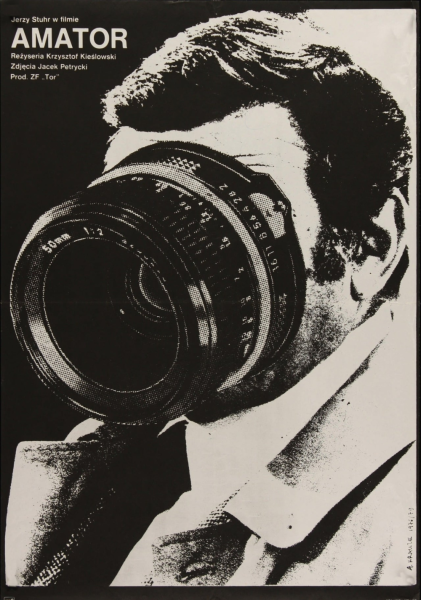
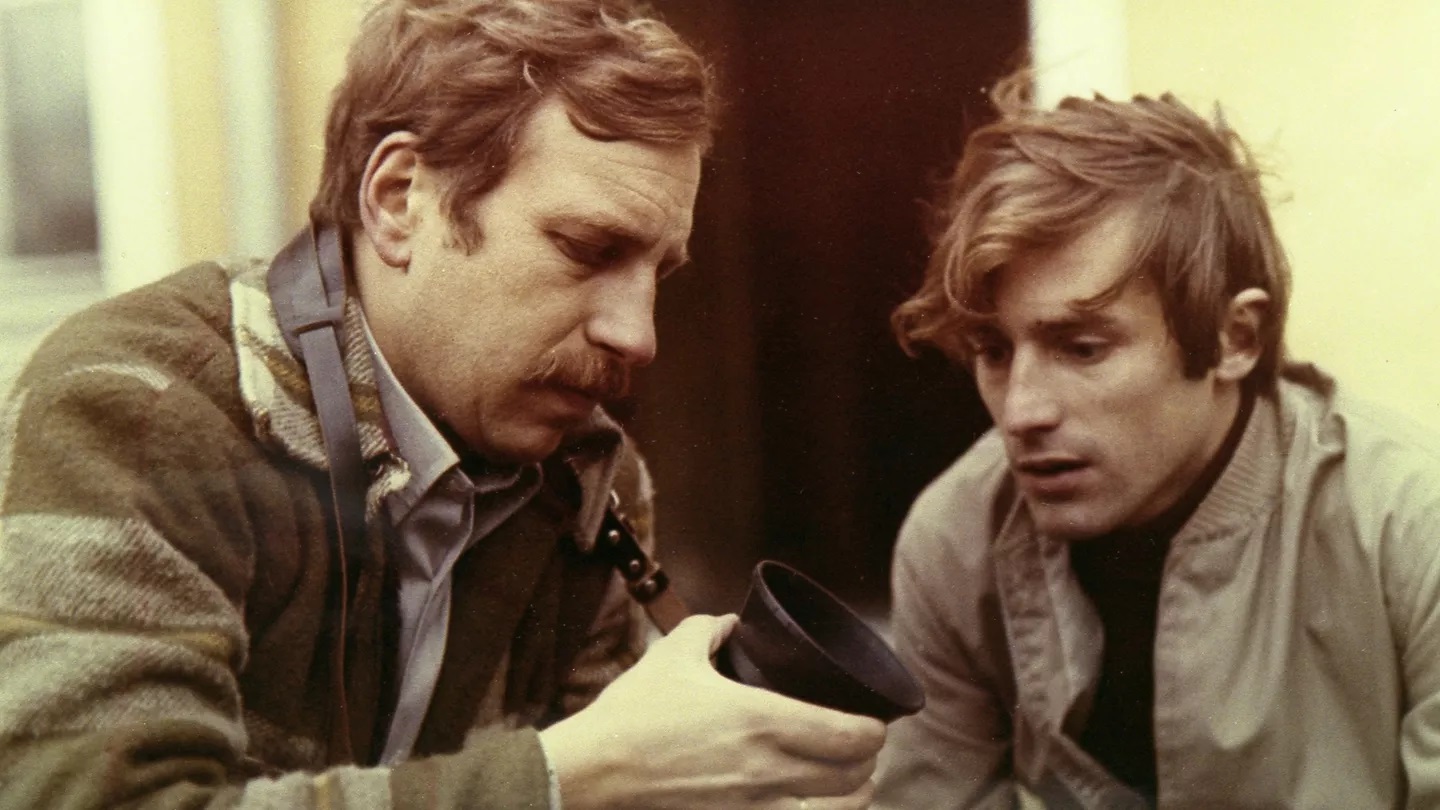
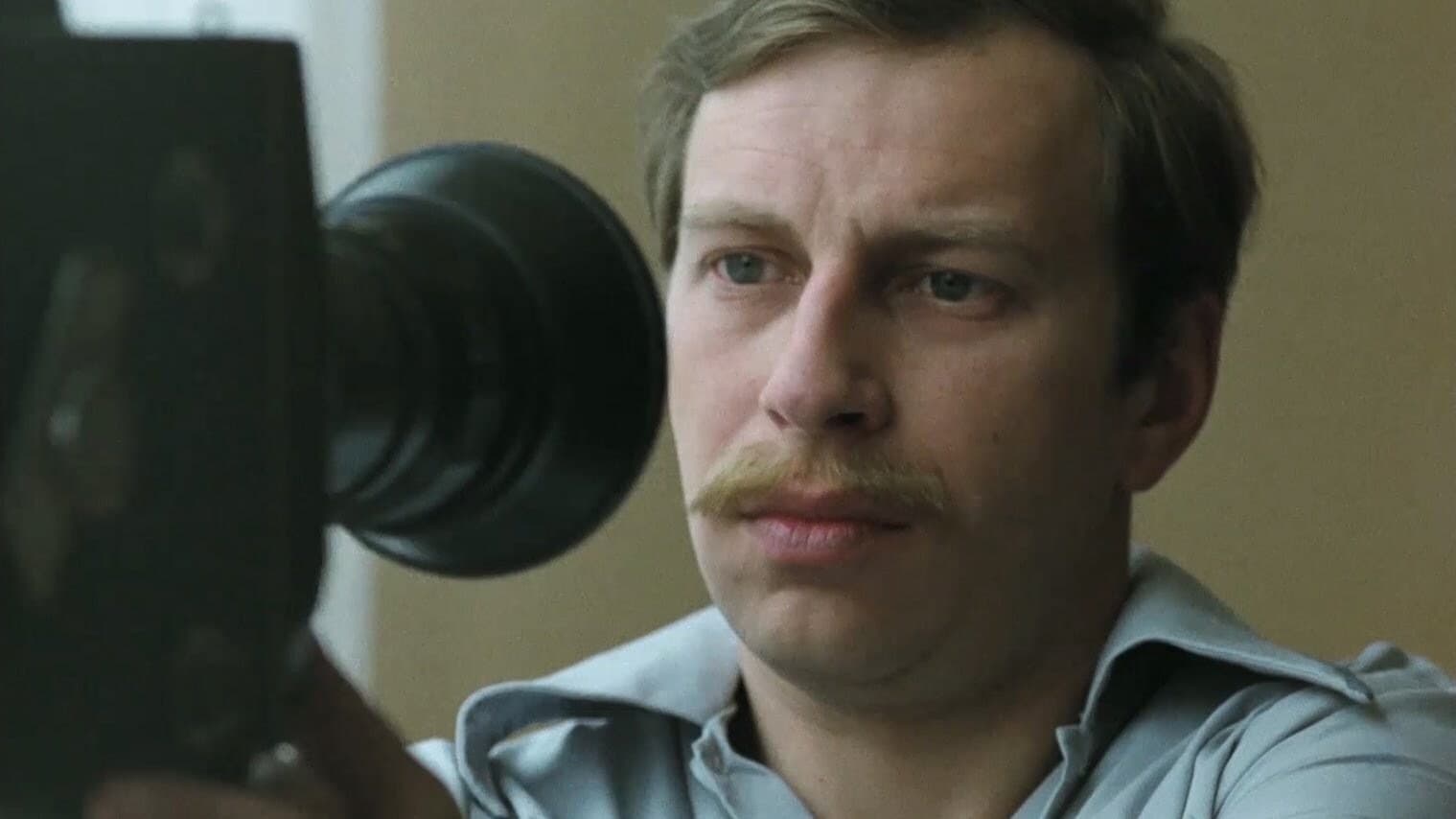
Camera Buff (1979), directed by Krzysztof Kieślowski, is a moving drama about a man who discovers a passion for filmmaking, changing his life and surroundings. The main character is Filip Mosz (Jerzy Stuhr), a humble supply clerk at a factory in a small town, leading a quiet life with his pregnant wife Irka (Małgorzata Ząbkowska). To celebrate the birth of his daughter, Filip buys an amateur movie camera, initially intending to record family moments. This innocent hobby quickly turns into a deep fascination as Filip begins to experiment with filming.
The factory director commissions Filip to make a film documenting the plant’s anniversary. Filip’s enthusiasm gains recognition among the employees but also creates problems. Subsequent films, although initially chronicling events, gradually take on a critical tone, revealing uncomfortable truths about the reality of Communist Poland (PRL). Filip is noticed at an amateur film festival, which opens doors to a wider creative world. However, his commitment to filmmaking causes tension in his personal life — his wife feels neglected, and the family begins to fall apart.
GALLERY:

LET’S TALK ABOUT:
What particularly moved you in the film?
Which of the values listed below do you find in the film?
Which of them are most important to you?
Filip Mosz, a modest supply clerk at a factory in a small Polish town, buys an amateur movie camera to document the first moments of his daughter’s life.
What moments from your life would you like to have recorded/preserved?
This purchase – seemingly an ordinary event – turned out to be a breakthrough for Filip – tell us about a breakthrough event in your life.
The camera quickly becomes something more for Filip than just a tool for recording family events.
Tell us about your passion from your youth.
What are your passions and interests now?
Tell us about your talents and/or strengths.
Filip begins to experiment with filming and gains recognition among his colleagues from the factory.
Do you know how to accept compliments?
Do you happen to appreciate others?
Tell us what you value in your conversation partner (if you know each other) or what you value in someone from your family (if you don’t know each other).
Filip receives a task from the director – he becomes a chronicler, filming the life of the factory and the town. Tell us about a task/challenge you are facing or one you had to deal with in the past.
What helps you in taking on such challenges?
As Filip delves deeper into the world of film, his passion begins to collide with family life. Is it possible, and if so, how, to reconcile family life with passion and work?
In the name of what, which values, would you be able to abandon or limit your passion?
When Filip records scenes from the daily life of workers, some people and the factory authorities perceive his films as a criticism of the reality of Communist Poland.
Are you critical of the information reaching you from the media?
Do you agree with the thesis that nowadays we suffer from a deficit of truth?
Have you ever had to discover the truth, to get to it?
Filip is invited to an amateur film festival, where his films are noticed and awarded. This event opens up new opportunities for him, but also strengthens his awareness of the responsibility that comes with documenting reality.
Do you happen or have you happened to have an influence on other people’s lives? Tell us how you feel about it and how you approach this responsibility.
Do you believe that cinema or other art can change people’s lives?
Tell us about a specific example of art’s influence on your life.
Filip’s filmmaking begins to cause more and more controversy, both at the factory and at home. Filip begins to question the sense of his activity. Have you ever experienced a similar crisis – doubt?
Do you often think about the meaning of your actions? What conclusions do you reach?
Filip comes to the conclusion that as an amateur who started out of pure passion, he was not prepared for the moral dilemmas associated with making films.
Tell us about the moral dilemmas you have faced recently.
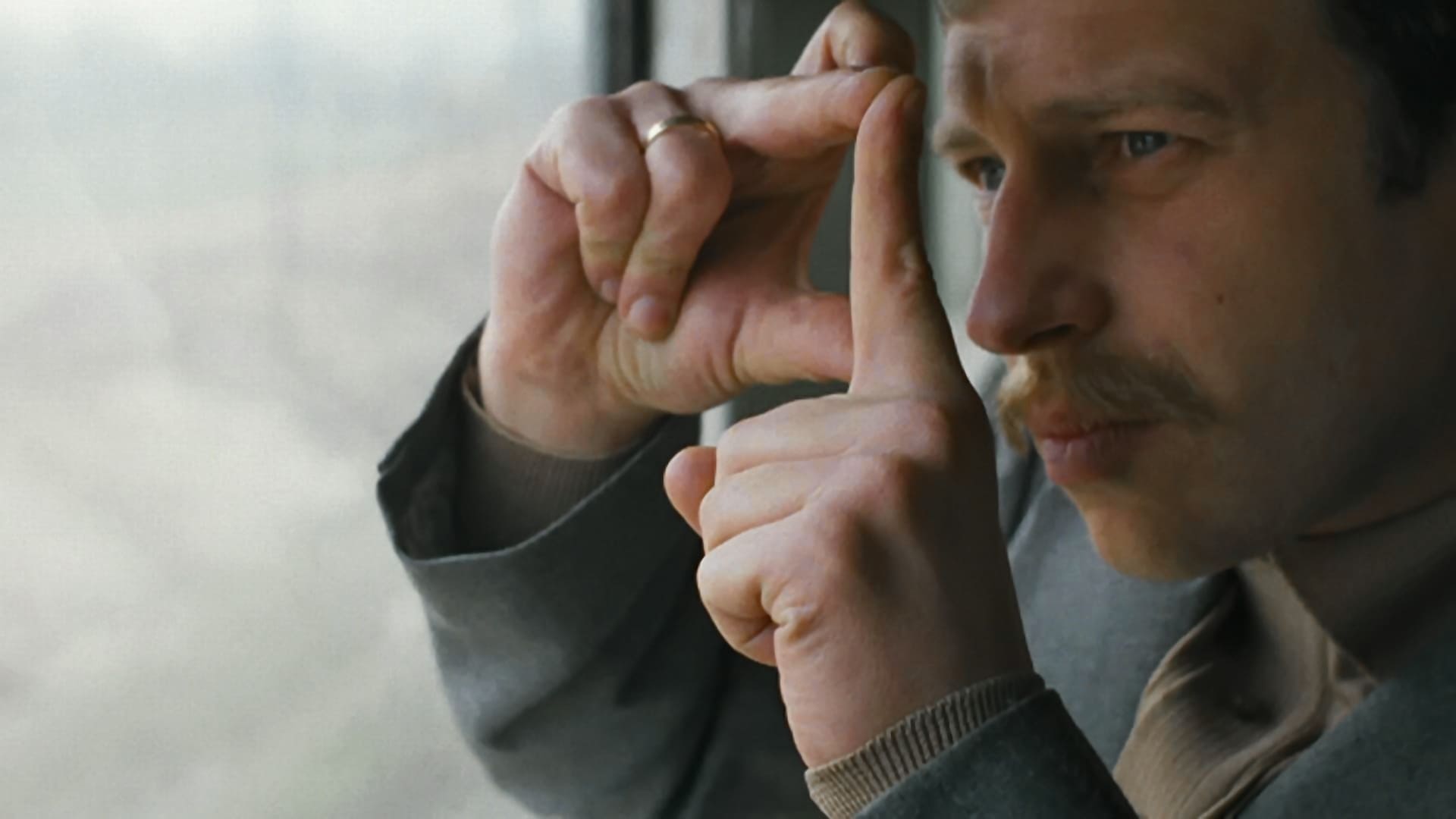
The film ends with a symbolic scene in which Filip turns the camera on himself – how do you interpret it?
List of values: Altruism, Assertiveness, Selflessness, Security, Closeness, Heroism, Patience, Goodness, Spirit, Empathy, Hospitality, Politeness, Generosity, Honor, Humor, Creativity, Loyalty, Wisdom, Fortitude, Love, Motivation, Hope, Reliability, Non-conformism, Responsibility, Courage, Composure, Optimism, Openness, Passion, Beauty, Humility, Peace, Resourcefulness, Sacrifice, Truth, Friendship, Punctuality, Joy, Reason, Diligence, Heart, Strength, Consistency, Respect, Sincerity, Happiness, Transcendence, Care, Honesty, Moderation, Orderliness, Mindfulness, Gratitude, Faith, Credibility, Knowledge, Fidelity, Freedom, Sensitivity, Support, Compassion, Imagination, Perseverance, Commitment, Life