| Reż. Krzysztof Kieślowski |
| Poland 1981 |
| Drama |
| 2 godz. 2 min. |
| Bogusław Linda (Wiktor Długosz), Tadeusz Łomnicki (Werner), Zbigniew Zapasiewicz (Adam), Bogusława Pawelec (Olga), Marzena Trybała (Werka), Jacek Borkowski (Marek), Monika Goździk (Hania), Adam Ferency (Stawicki), Zygmunt Hübner (Dyrektor), Jerzy Stuhr (Roman) |
RECOMMENDATION:





DESCRIPTION:
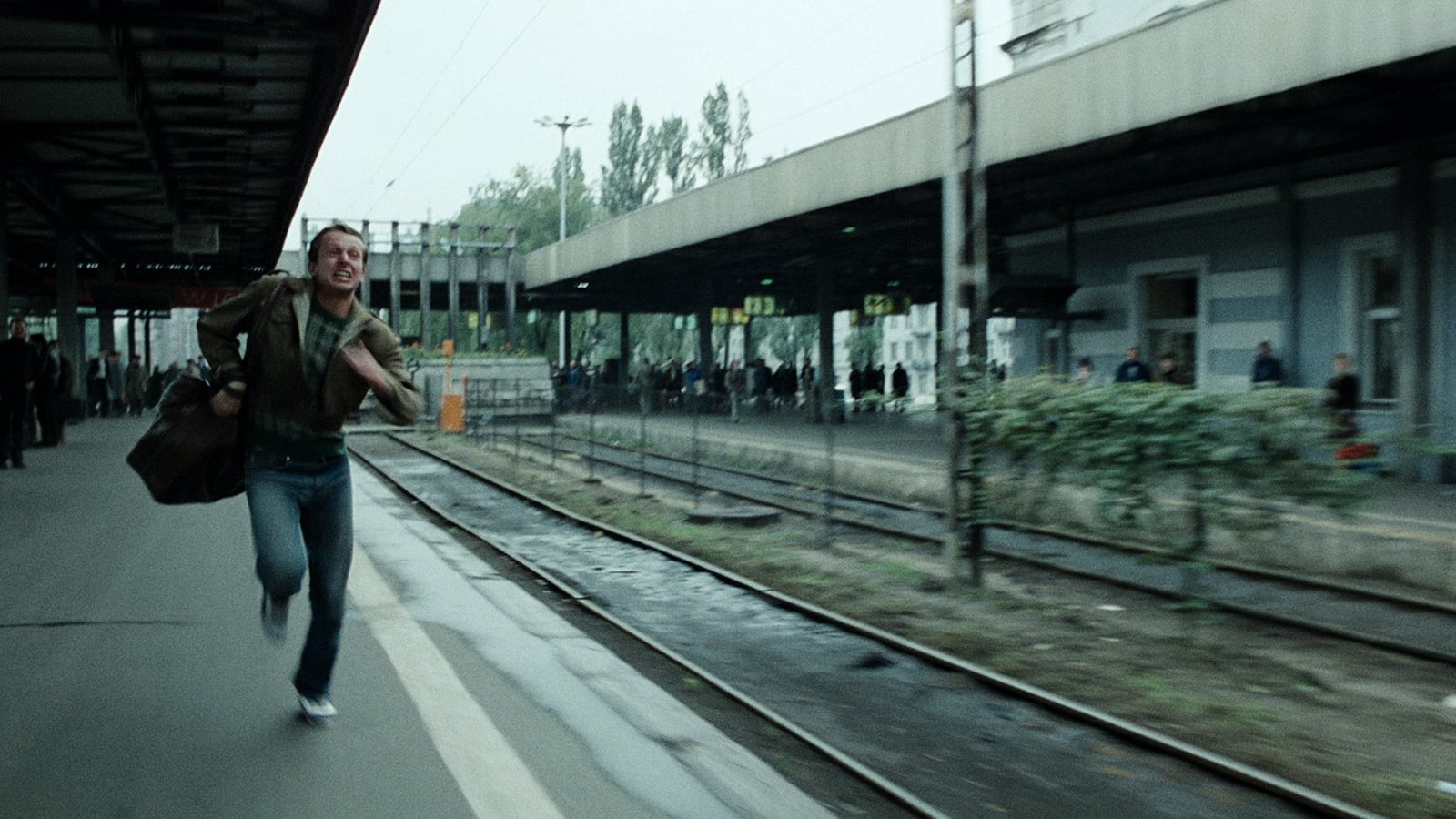
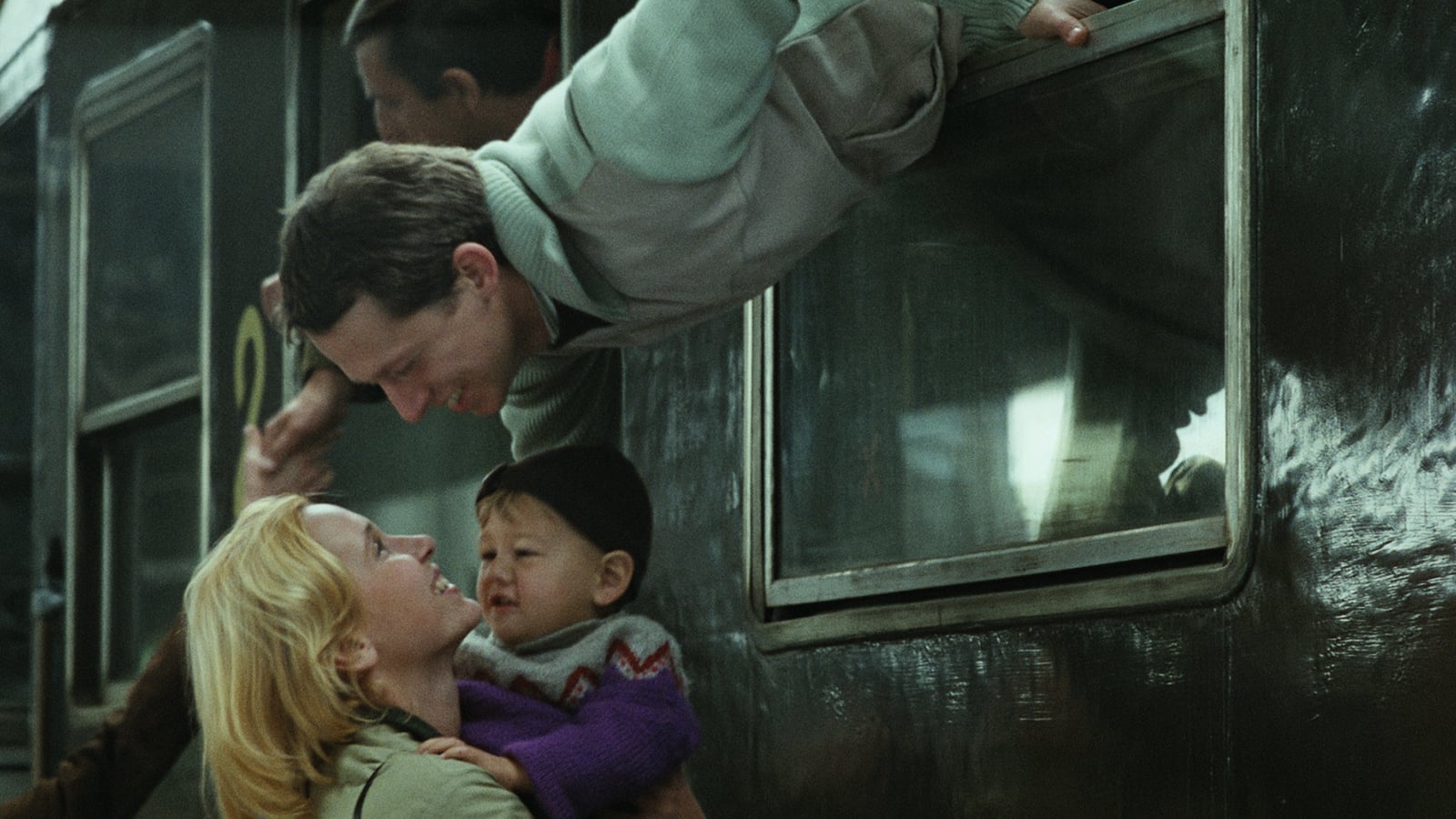
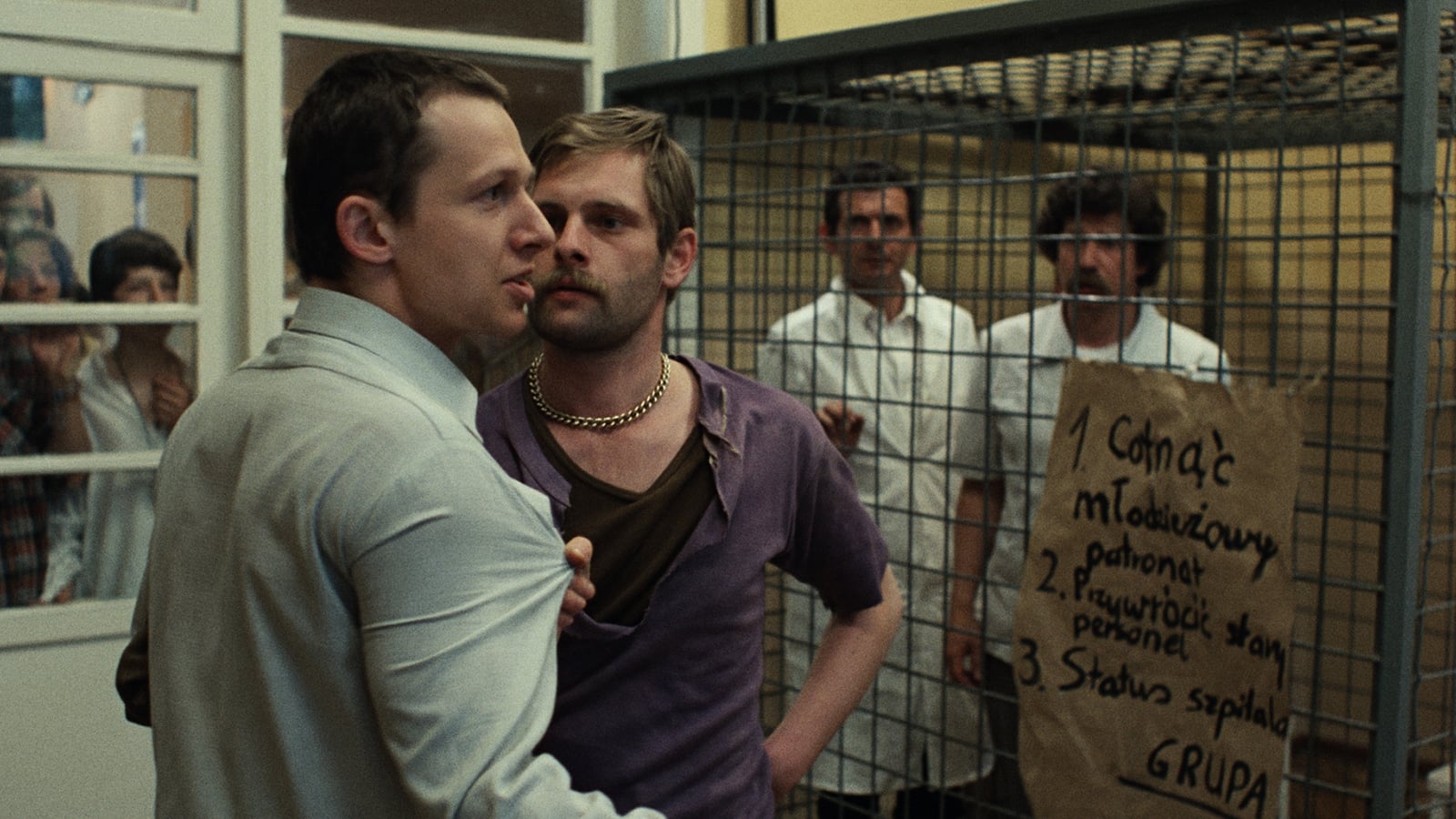
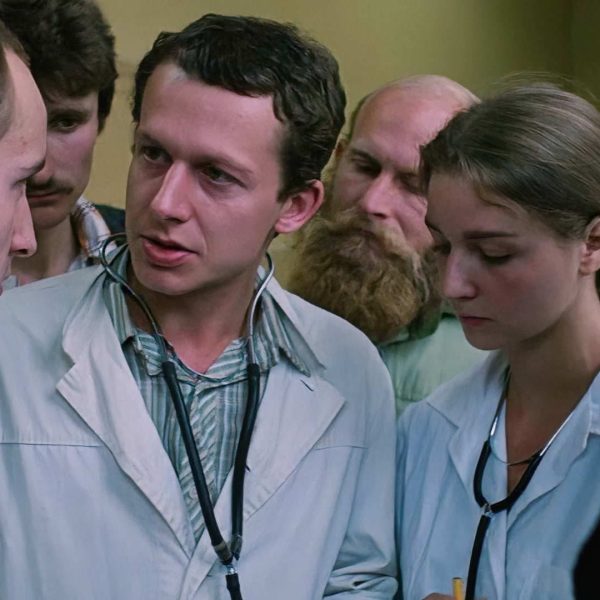
The story of Witek Długosz, a young man who, following his father’s death, heads to the station to catch a train to Warsaw. Whether he manages to board it becomes the pivotal point of the plot, revealing three different life scenarios for the protagonist resulting from that single moment.
In the first variant, Witek catches the train and meets a Communist activist. In the second, he misses the train and gets arrested, later becoming involved in the opposition movement. In the third, Witek misses the train but stays out of politics altogether. The film poses fundamental questions about the nature of chance, freedom of choice, and the impact of external circumstances on human life.
GALLERY:

LET’S TALK ABOUT:
What particularly moved you in Witek Długosz’s story?
Blind Chance begins with a series of retrospectives—memories of childhood and youth—tell us about one event from your childhood that is important to you.
In one memory, Witek says goodbye to a friend who emigrated to Denmark—what place has friendship held and continues to hold in your life?
The last words he heard from his father, “you don’t have to do anything,” become Witek’s life motto—what do you think of them? Do you also believe that you “don’t have to”?
Tell us about words or sentences that have had or still have an impact on your life.
In the three variants of Witek’s fate, meetings with people play a key role—tell us about a meeting that changed your life.
What is your attitude toward the role of “chance” in people’s lives?
Upon closer inspection, Witek himself makes key decisions:
In the first variant, he joins a Communist youth organization—what are his motivations?
In the second variant, he joins the underground resistance—why does he do this?
He also decides to be baptized—what influenced this decision?
He refuses to go to France because he doesn’t want to collaborate with the state security services—what would you have done in his place?
In the third variant, Witek begins a stable life—he marries Olga, they have a child, he defends his diploma, starts working in emergency services, and then at the university—are his choices close to your heart?
Witek tries to maintain political neutrality—what do you think of such a stance in the times during which the film takes place?
What do you think about political neutrality or “both-sidesism” in today’s times?
As Tadeusz Sobolewski wrote in his review: “Witek acts with equal honesty in each of his incarnations. And each time he makes a mistake, only to finally fall victim to a false accusation”—have you ever been falsely accused of something?
In such situations, finding the truth is crucial—what role does truth play in your life?
Tadeusz Sobolewski: “One always follows in someone’s footsteps, along one path or another, never both at once. One confesses one truth or another, taught by those we have trusted”—do you agree with the reviewer’s opinion?
Tell us about the people you trust the most.
Tadeusz Sobolewski: “Only loyalty is a constant value, but not the object of loyalty. Not views. What then remains ‘constans’? The unknown destiny that awaits us—and conscience. Everything else is chance. In ultimate moments, the social roles one played and the ideologies associated with them turn out to be an insignificant, passing accident”—do you agree with the critic’s interpretation?
What in your life is the “constans”—the constant—mentioned by Tadeusz Sobolewski?
Krzysztof Kieślowski constantly asks his audience fundamental questions: “who are you, why do you exist?”
Can you and would you like to answer this question today?
Which values from the list below are addressed in Krzysztof Kieślowski’s Blind Chance?
Which of them are particularly important to you?
List of values: Altruism, Assertiveness, Selflessness, Security, Closeness, Heroism, Patience, Goodness, Spirit, Empathy, Hospitality, Politeness, Generosity, Honor, Humor, Creativity, Loyalty, Wisdom, Fortitude, Love, Motivation, Hope, Reliability, Non-conformism, Responsibility, Courage, Composure, Optimism, Openness, Passion, Beauty, Humility, Peace, Ingenuity, Sacrifice, Truth, Friendship, Punctuality, Joy, Reason, Diligence, Heart, Strength, Consistency, Respect, Sincerity, Happiness, Transcendence, Care, Integrity, Moderation, Orderliness, Mindfulness, Gratitude, Faith, Credibility, Knowledge, Fidelity, Freedom, Sensitivity, Support, Compassion, Imagination, Perseverance, Commitment, Life