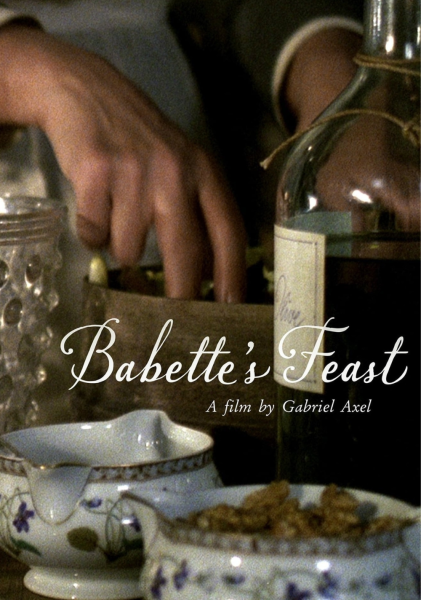
| Reż. Gabriel Axel |
| Denmark 1987 |
| Drama |
| 1 godz. 43 min. |
| Stéphane Audran (Babette Hersant), Bodil Kjer (Martine), Birgitte Federspiel (Filippa), Jarl Kulle (Generał Lorens Löwenhielm), Jean-Philippe Lafont (Achille Papin), Bibi Andersson (ciotka generała) |
RECOMMENDATION:









DESCRIPTION:
An adaptation of a short story by Karen Blixen. The film is set in 19th-century Denmark, in a small village on the coast of Jutland. The main characters, Martine and Filippa, are elderly, devout Protestant sisters who, after the death of their father – a pastor – took over the care of a dwindling congregation. They live modestly, devoted to their religion and forgotten by the world. Forty-nine years earlier, both had a chance at love, but chose to reject their suitors in order to remain faithful to their father and his pastoral mission.
Their life changes when one day Babette Hersant appears at their door, a refugee from Paris who has fled bloody reprisals. Babette asks to be allowed to stay as their housekeeper, even though the sisters cannot pay her. For the next fourteen years, Babette works for them, preparing simple meals in accordance with the village’s ascetic ways. Her presence becomes an inseparable part of their daily life, and Babette herself earns the community’s respect.
GALLERY:



LET’S TALK ABOUT:
Babette’s Feast is a film that is not easy to interpret, containing many metaphors and allusions, including biblical ones – did any of them particularly catch your attention?
How do you interpret the film’s message?
Which values from the list below does the film relate to?
Which of them are particularly important to you?
The Pastor – referred to by the film’s narrator as “the prophet” – in his final sermon heard by Lorens, quotes Psalm 85 – how do you interpret these two passages in the context of the film?
“Mercy and truth have met together; righteousness and peace have kissed each other.”
“The paths of the Lord lead over mountains and across oceans, where the human eye sees no trace of a road.”
Babette is a refugee from Paris and – as it later turns out – an artist, an outstanding chef, yet she joins the lives of the sisters Martine and Filippa and the local village community without any pay. What do you think of her attitude? What drives it?
What place does humility hold in your life?
Are you ambitious? How does it manifest itself?
Babette’s presence turns out to be a blessing for the sisters – it significantly improves their finances and quality of life. Do you enjoy bringing pleasure to others, and do you have opportunities to do so?
Tell us about your favorite way of doing good for other people.
Are you able to receive help from others?
What are you grateful for, and to whom?
Babette notices that over the years the members of the local community have become increasingly bitter, petty, and reproachful of each other’s past sins – how does she react to this? How would you react if you were in her place?
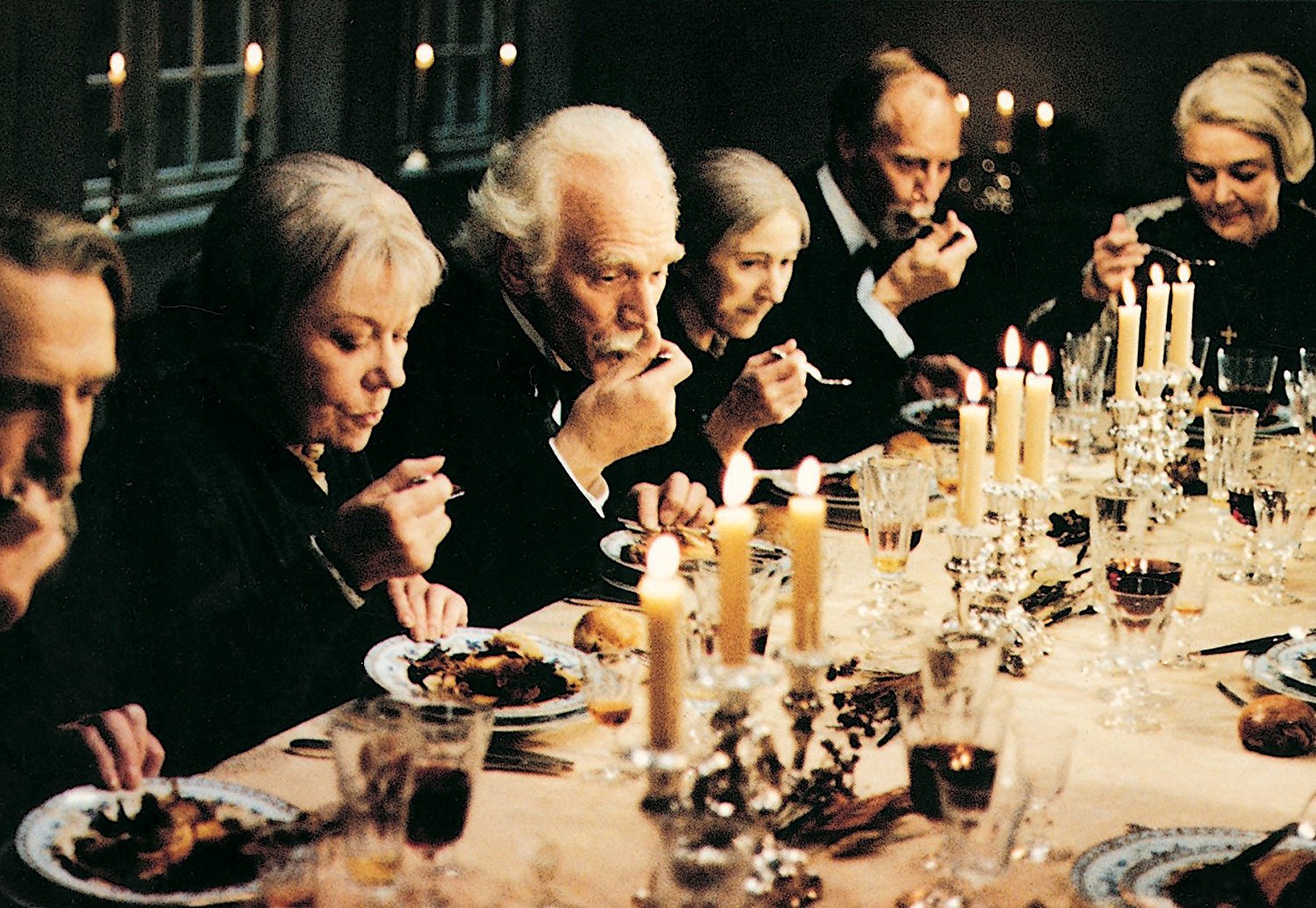
News arrives from Paris that Babette has won the lottery: 10,000 francs! The woman decides to spend the entire sum on preparing a genuine French dinner for the villagers. What do you think of such an idea? What is behind it? What is her motivation?