| Reż. Terrence Malick |
| Wielka Brytania, Niemcy, USA 2019 |
| dramat wojenny |
| 2 godz. 54 min. |
| August Diehl (Franz Jägerstätter), Valerie Pachner (Franziska „Fani” Jägerstätter), Maria Simon (Resie, siostra Fani), Karin Neuhäuser (Matka Franza), Tobias Moretti (Proboszcz Ferdynand Fürthauer), Ulrich Matthes (Biskup Joseph Fliesser), Matthias Schoenaerts (Kapitan Herder) |
RECOMMENDATION:


DESCRIPTION:
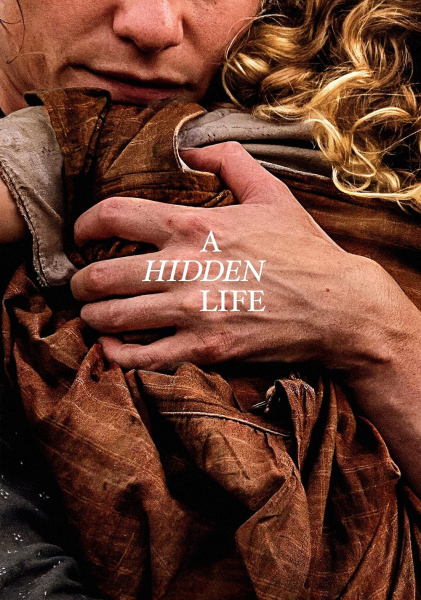
Inspired by true events, this historical drama tells the story of Franz Jägerstätter, an Austrian farmer and deeply religious man who, during World War II, refuses to swear loyalty to Adolf Hitler. The film is set in the picturesque village of St. Radegund, surrounded by majestic mountains.
Franz, together with his wife Franziska (Fani) and their three children, lives a simple and happy life on a farm. However, his world is disrupted when he is called to military service and ordered to pledge allegiance to Hitler. His unwavering refusal becomes an act of resistance against tyranny and war, for which he faces ostracism from the local community and even his closest neighbors. Franz and his family must confront isolation, humiliation, and threats. Eventually, he is arrested and imprisoned, where he faces brutal treatment and pressure to abandon his beliefs.
GALLERY:
LET’S TALK ABOUT:
What particularly moved you in the film?
Did Franz Jägerstätter’s story evoke admiration, reflection, or perhaps sadness in you? Why?
The film is about the courage to remain faithful to one’s beliefs.
Have you ever had to stand up for your values, even when the majority was against you?
What character traits are needed to make such difficult decisions?
Which of these do you lack, and which do you possess?
In the face of war, Franz chooses to oppose the Nazi regime.
Do you think opposing evil is always a duty, even when the cost is very high? Why?
What do you think motivated Franz?
The film strongly emphasizes the importance of faith and inner strength.
Do you think faith can be a source of courage and peace in difficult times?
What do you believe in?
What is most valuable to you in life? (list 5 things)
Is there something for which you would be willing to sacrifice one of these things?
The relationship between Franz and his wife Fani is one of the key elements of the film.
How do you evaluate Fani’s attitude, as she supports Franz despite the pain and hardship his decision brings?
Do you have people in your life who support you no matter what?
What role do friends play in your life?
The film shows the beauty of everyday life, even in the face of suffering and war.
Do you agree with the message that even the smallest moments in life can be full of meaning and beauty?
Which everyday moments in your life bring you the most joy or peace?
Malick presents the village of St. Radegund as a place of harmony, contrasting with the brutality of war.
Do you have your own “place of peace” – physical or internal – where you feel safe and in harmony with yourself?
What importance does contact with nature have in your daily life?
Franz’s choice affects not only him but also his family and community.
How difficult do you think it is to make decisions that have consequences for loved ones? Should one always follow their own beliefs, even at the expense of others?
Have your decisions ever had a significant impact on others?
The film addresses the topic of morality in times of crisis.
Do you think people have the right to choose a “lesser evil” for survival in difficult times? Why or why not?
How do you define morality – as a set of universal principles or something dependent on the situation?
Franz is ultimately sentenced to death for his beliefs.
How do you assess his attitude?
Are there situations in which it is worth abandoning one’s beliefs for the sake of oneself or one’s family?
Do you agree that even a single act of courage matters, even if it does not lead to large-scale change?
Do you know stories of people whose single actions influenced others or the world?
In “A Hidden Life,” silence, glances, and landscapes play an important role.
How do you perceive this type of storytelling, where words often give way to images and emotions?
Do silence and contemplation play a role in your daily life? How do they affect your well-being?
Which values from the list below do you find in the film?
Which of these values are particularly close to you? Why?
How do you interpret the film’s title?
What do you think “a hidden life” means? Does it refer to Franz, his beliefs, or something more?
Are there things in your life that remain “hidden” – invisible to others but important to you?
List of values:
Altruism, Assertiveness, Selflessness, Safety, Closeness, Heroism, Patience, Goodness, Spirit, Empathy, Hospitality, Courtesy, Generosity, Honor, Humor, Creativity, Loyalty, Wisdom, Courage, Love, Motivation, Hope, Reliability, Nonconformism, Responsibility, Bravery, Composure, Optimism, Openness, Passion, Beauty, Humility, Peace, Resourcefulness, Sacrifice, Beauty, Truth, Friendship, Punctuality, Joy, Reason, Integrity, Heart, Strength, Consistency, Respect, Honesty, Happiness, Transcendence, Care, Fairness, Moderation, Order, Mindfulness, Gratitude, Faith, Credibility, Knowledge, Fidelity, Freedom, Sensitivity, Support, Compassion, Imagination, Perseverance, Commitment, Life