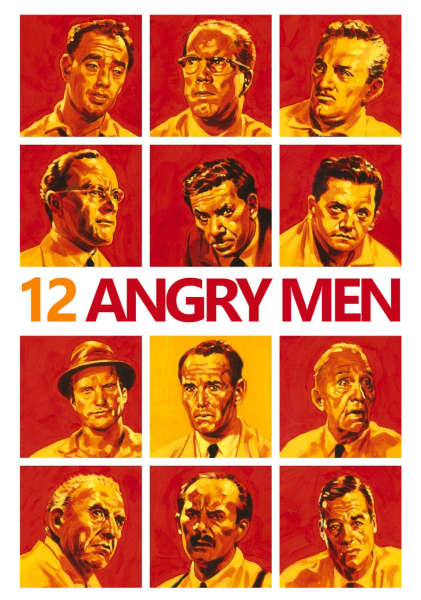
| Reż. Sidney Lumet |
| USA 1957 |
| courtroom drama |
| 1 godz. 36 min. |
| Henry Fonda (Przysięgły nr 8), Lee J. Cobb (Przysięgły nr 3), Martin Balsam (Przysięgły nr 1), John Fiedler (Przysięgły nr 2), E.G. Marshall (Przysięgły nr 4), Jack Klugman (Przysięgły nr 5), Edward Binns (Przysięgły nr 6), Jack Warden (Przysięgły nr 7), Joseph Sweeney (Przysięgły nr 9), Ed Begley (Przysięgły nr 10), George Voskovec (Przysięgły nr 11), Robert Webber (Przysięgły nr 12), Rudy Bond (Sędzia), Tom Gorman (Strażnik), John Savoca (Oskarżony), Walter Stocker (Prokurator), |
RECOMMENDATIONS:



DESCRIPTION:
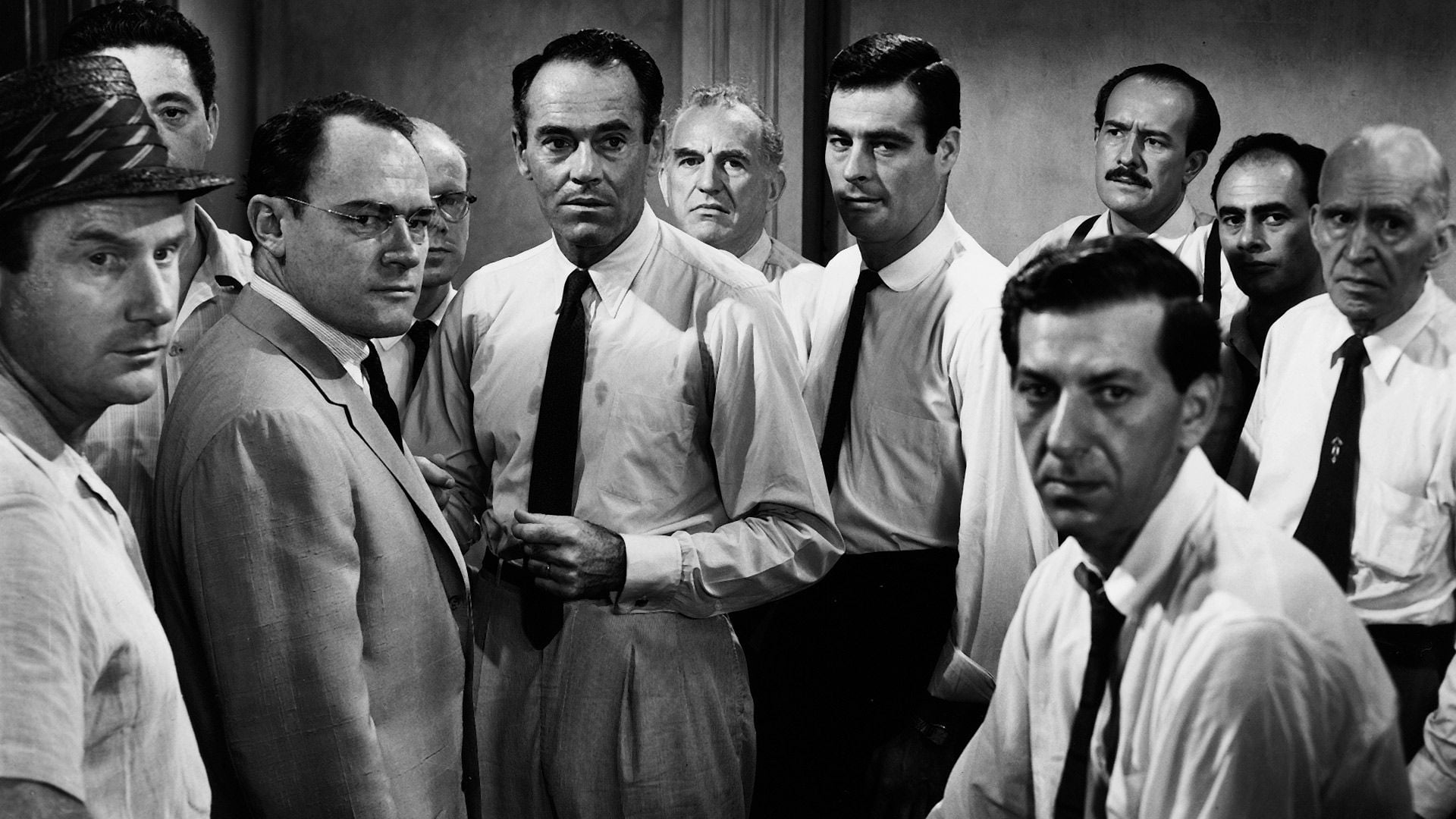
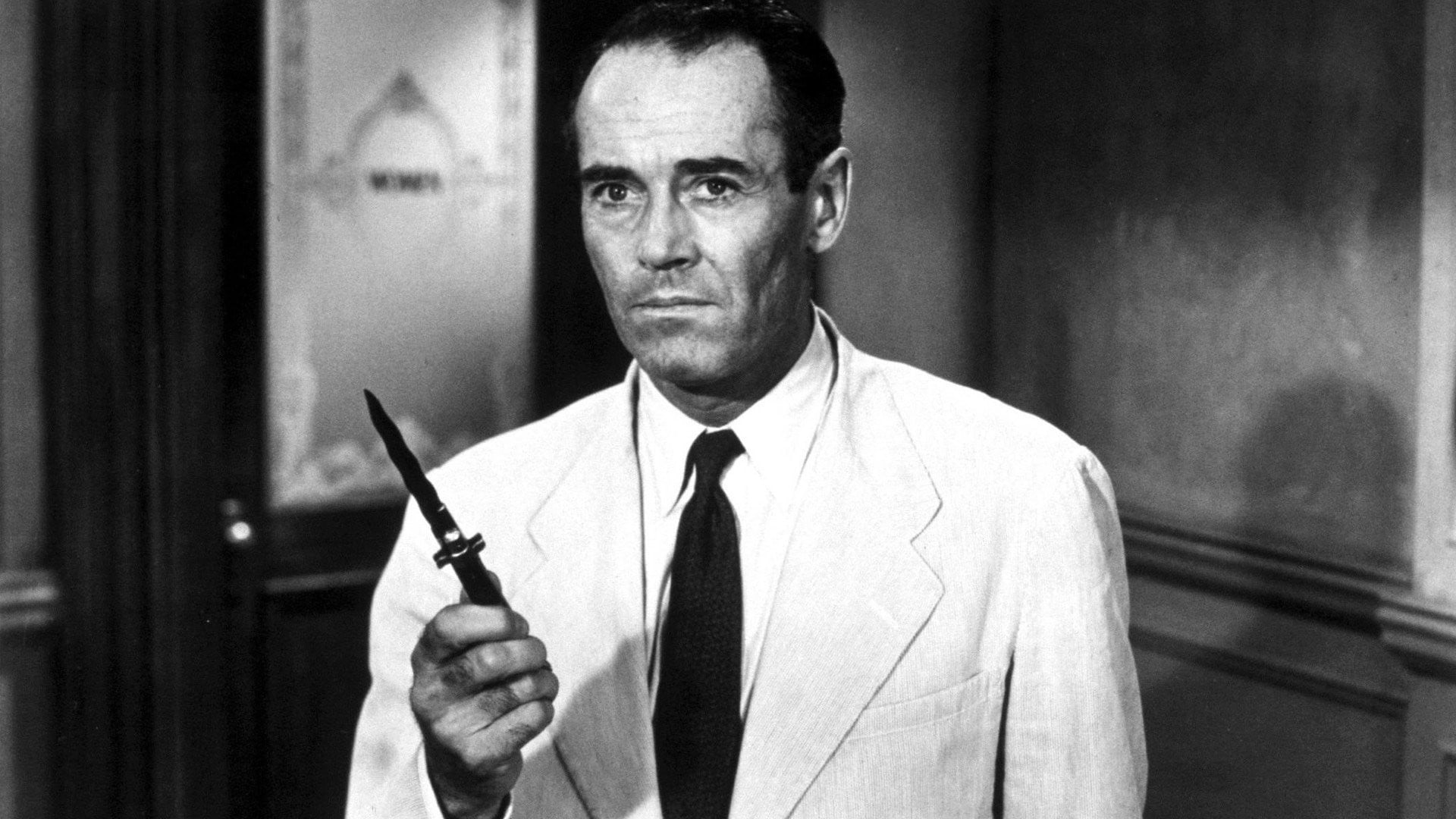
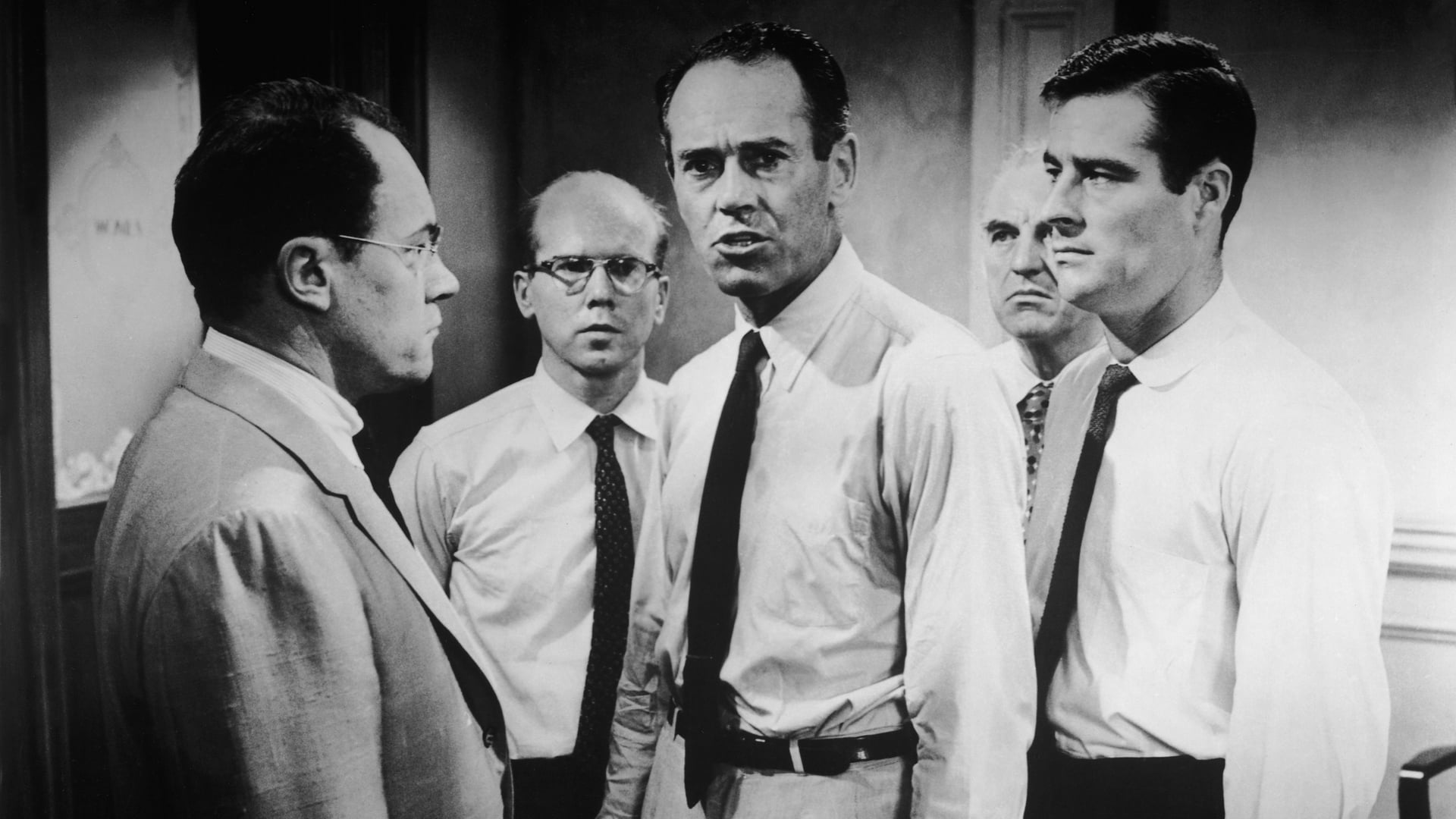
A classic courtroom drama from 1957, directed by Sidney Lumet. The film, based on a television play by Reginald Rose, focuses on the moral, social, and psychological aspects of justice, depicting an intense discussion among twelve jurors locked in a small deliberation room.
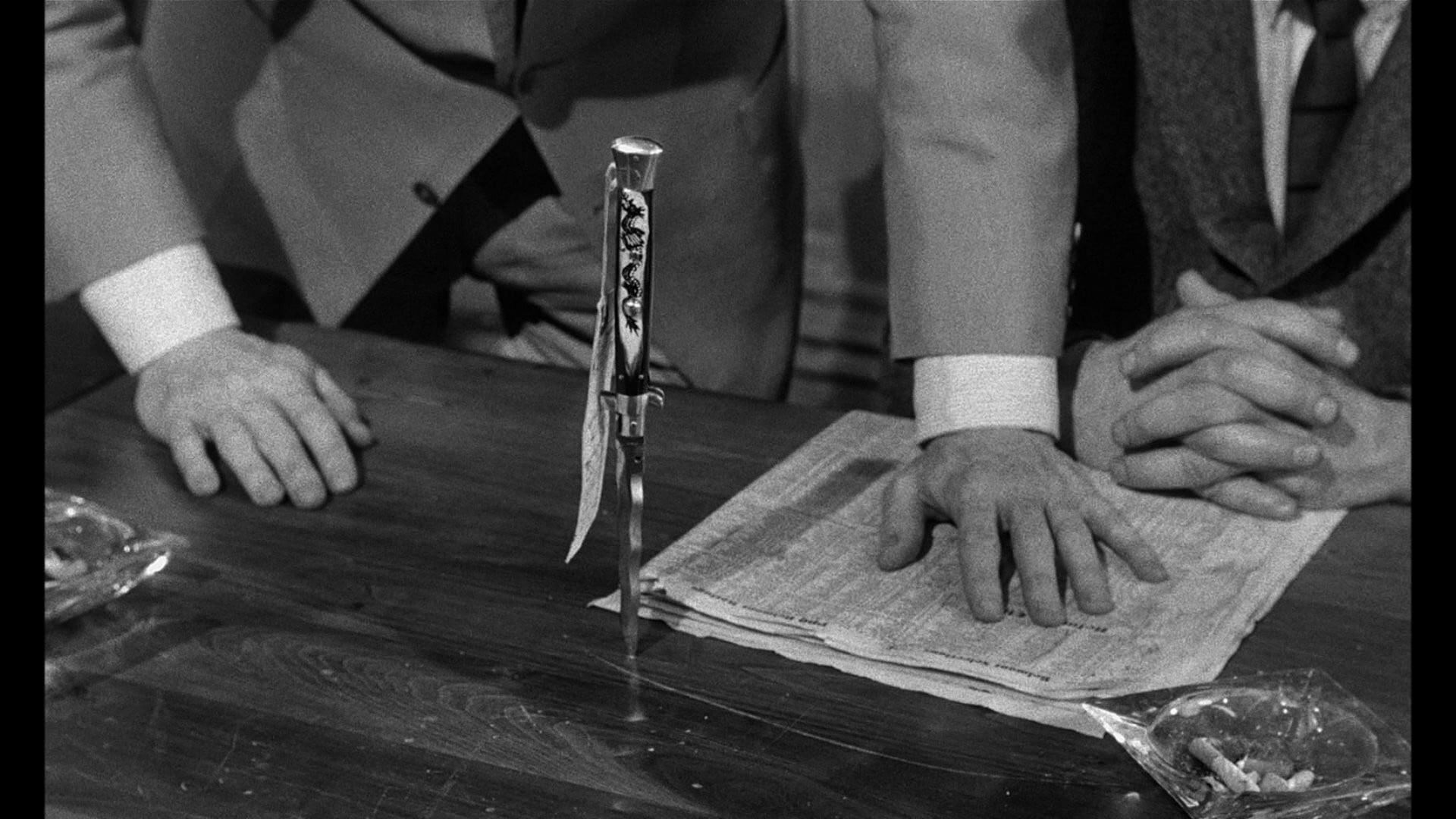
The action begins after the trial of a young boy accused of murdering his father. The evidence seems conclusive: witnesses confirm his guilt, and the murder weapon matches a knife that was found. The jurors must unanimously decide his fate – a guilty verdict means the death penalty. At first glance, the case seems obvious, and eleven of the twelve jurors quickly vote guilty.
However, Juror #8 (played by Henry Fonda) questions this hasty judgment. He believes that a decision about life and death requires a more thorough analysis of the evidence.
GALLERY:

LET’S TALK ABOUT:
What particularly moved you in this film?
What emotions did the transformation of the jury members evoke in you?
Was there a particular scene that felt especially powerful to you?
Which of the values listed below do you find in this film?
Can you point to characters who embody values such as: honesty, courage, empathy, or determination?
Which of these values do you consider most important in everyday life?
The main character, Juror #8, is the only one who initially votes “not guilty,” risking rejection by the group.
Can you recall a situation where you had to stand up for your opinion against the majority?
What does it feel like to be “the voice of the minority”?
Do you find it easy to take on such challenges?
What helps you take on demanding tasks?
The jurors begin by judging the boy based on prejudices and emotions.
Have you ever jumped to conclusions about someone or a situation?
How did you react when you realized that?
Have you ever experienced being unfairly judged?
A key theme of the film is the pursuit of truth and justice.
Have you ever fought for justice even when it seemed hopeless? What were the results?
Do you agree that truth should always be the ultimate goal, regardless of the consequences?
The conflicts among the jurors stem from differences in their worldviews, experiences, and prejudices.
How do you handle situations where you work with people who hold vastly different views?
Have you ever changed your mind because of someone else’s arguments?
Each juror has their own unique motivation and way of thinking.
Which juror do you find most similar to yourself? Why?
Do you believe that a diversity of perspectives helps in solving difficult problems? Why?
Are you a good listener?
What traits help or hinder this skill for you?
Have you ever understood someone’s situation better after listening to them carefully?
What character traits help you make difficult decisions?
Do you think it’s better to trust feelings or reason in difficult situations? Why?
The jurors bear responsibility for decisions that affect other people’s lives.
Have you ever made a decision that had a significant impact on others? How did you feel?
Is it easy for you to take responsibility for your actions?
How do you react when someone tries to change your mind?
Do you think the film is still relevant in today’s world?
What contemporary issues do you see as similar to those portrayed in the film?
Do we believe more in the power of argument today, or do we more easily give in to emotions and stereotypes?
How do you interpret the ending of the film?
What do you think about the fact that the film ends without a detailed explanation of the boy’s or the jurors’ further fate?
Does such an open ending carry greater power?
What reflections does the jury’s decision evoke in you?
List of values:
Altruism, Assertiveness, Selflessness, Safety, Closeness, Heroism, Patience, Goodness, Spirit, Empathy, Hospitality, Politeness, Generosity, Honor, Humor, Creativity, Loyalty, Wisdom, Bravery, Love, Motivation, Hope, Reliability, Nonconformism, Responsibility, Courage, Composure, Optimism, Openness, Passion, Beauty, Humility, Peace, Ingenuity, Sacrifice, Beauty, Truth, Friendship, Punctuality, Joy, Reason, Integrity, Heart, Strength, Coherence, Respect, Sincerity, Happiness, Transcendence, Care, Honesty, Moderation, Order, Mindfulness, Gratitude, Faith, Credibility, Knowledge, Fidelity, Freedom, Sensitivity, Support, Compassion, Imagination, Perseverance, Commitment, Life